
ABERROMETRY

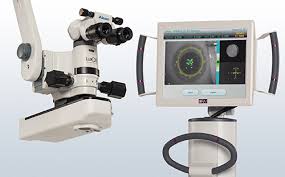
- The Wavefront Map: Often displayed as a 2D topographic map (using color gradients, usually red/blue) showing the wavefront of light, highlighting where light beams are not in phase.
- Total vs. Higher-Order: The output typically shows the total wavefront map, the higher-order map (right side), and numerical Zernike polynomial values (in microns).
- Common Systems: Common machines include Hartmann-Shack sensors, the iTrace (which differentiates between corneal and internal aberrations), and the Pentacam AXL Wave.
- Clinical Utility:
- Precise Biometric Lens Design Identifies obscure imperfections that standard refraction misses. Can infuse biometric data into lens design for crisper optical outcome.
- Corneal Mapping Aids in selecting & designing premium customized contact lenses with sharper optics, and manufacturing advanced optical spectacle lenses.
- Keratoconus/Vision Assessment: Evaluates higher-order aberrations that cause visual disturbances like halos and glare.
Frequently Asked Questions
How often should I have an eye exam?
It’s recommended that adults have a comprehensive eye exam every 1-2 years, even if your vision seems fine. For children, their first eye exam should be at 6 months, followed by another at 3 years old, and then annually during school years. If you wear glasses or contact lenses or have a medical condition like diabetes, you may need more frequent exams.
What are the signs that I need glasses?
If you’re experiencing frequent headaches, eye strain, blurry vision (either up close or at a distance), difficulty seeing at night, or squinting to focus, these could be signs that you need glasses. A comprehensive eye exam will determine if corrective lenses are necessary.
What causes dry eyes, and how can I treat it?
Dry eyes can be caused by aging, certain medications, environmental factors, or prolonged screen use. Treatment options include artificial tears, prescription eye drops, and lifestyle adjustments such as taking breaks from screens. An eye doctor can recommend the best course of treatment based on the severity of your symptoms.
Are there ways to prevent common eye diseases like glaucoma or cataracts?
While you can’t always prevent eye diseases, there are steps you can take to reduce your risk. These include wearing UV-blocking sunglasses, eating a healthy diet rich in antioxidants, avoiding smoking, and having regular eye exams to catch any issues early. Managing conditions like diabetes or high blood pressure can also help protect your eye health.